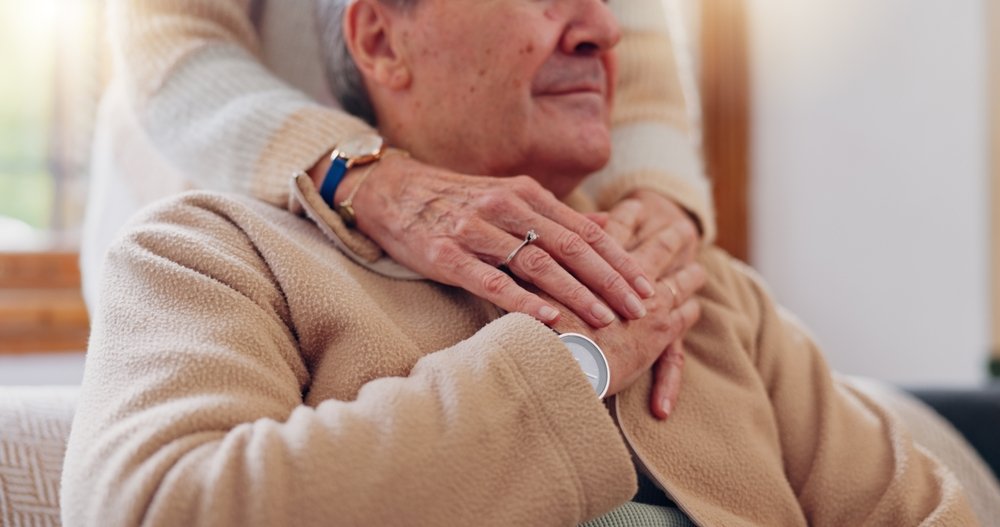
 Being told you have skin cancer can be life-changing. Even after successful treatment, many patients find that emotional recovery takes longer than physical healing. Feelings of anxiety, vulnerability, or self-consciousness about scars or appearance are completely normal, and addressing them is an important part of long-term well-being.
📅 If you’re recovering from skin cancer and struggling with how your skin looks or feels, schedule a follow-up appointment today. Our dermatologists can help with post-surgical care, scar management, and gentle cosmetic options to help you heal fully, inside and out.
Understanding the Emotional Impact of Skin Cancer
After treatment, it’s common to experience mixed emotions. Relief that the cancer is gone can quickly give way to worries about recurrence or visible scarring. Patients often describe feeling:
- Anxious about future skin checks or sun exposure
- Frustrated by cosmetic changes or healing scars
- Self-conscious about facial or visible surgical areas
- Emotionally drained from the stress of diagnosis and recovery
These reactions are a normal part of the healing process. Acknowledging them and seeking the right kind of support can make all the difference in moving forward.
Building Confidence in Your Skin Again
1. Give Yourself Time to Heal
Surgical sites and scars evolve for months after treatment. Early redness, swelling, or uneven texture often improve significantly over time. Following your dermatologist’s wound-care instructions helps promote optimal healing and minimize scarring.
2. Consider Scar Optimization Treatments
If a scar continues to bother you, there are several dermatologist-led treatments that can help soften its appearance:
- Laser resurfacing or microneedling to smooth texture
- Topical silicone gels and prescription creams
- In-office injections to flatten raised scars
Our providers work closely with each patient to create a personalized post-cancer care plan that supports both comfort and cosmetic confidence.
3. Protect Your Skin, Not Your Freedom
Sun exposure is often a source of anxiety for patients after a skin cancer diagnosis. The goal isn’t to hide indoors, it’s to adopt healthy sun habits:
- Apply a broad-spectrum SPF 30+ every day
- Wear hats and UPF-rated clothing outdoors
- Seek shade during peak hours
With consistent protection, you can continue to enjoy outdoor life while keeping your skin safe.
4. Stay Connected and Supported
Joining a support group or speaking with a counselor can be transformative. Many patients find comfort in connecting with others who have faced similar challenges. Your dermatologist can also refer you to trusted resources for emotional and psychological support.
Regular Follow-Ups: Reassurance Through Routine
After treatment, regular skin checks are essential, not just medically, but emotionally. Knowing a dermatologist is monitoring your skin provides reassurance and helps detect any new lesions early.
At Mt. Lebanon Dermatology, our team emphasizes compassionate continuity of care. We track your healing, review sun-safety practices, and celebrate milestones in your recovery journey.
The Bottom Line
Healing from skin cancer isn’t only about removing what’s harmful, it’s about reclaiming confidence, self-esteem, and peace of mind. Whether you’re weeks or years past treatment, compassionate dermatologic care can help you feel like yourself again.
📅 Schedule a post-treatment or skin-check visit today with one of our board-certified dermatologists. Together, we’ll support your full recovery - body, mind, and skin.
