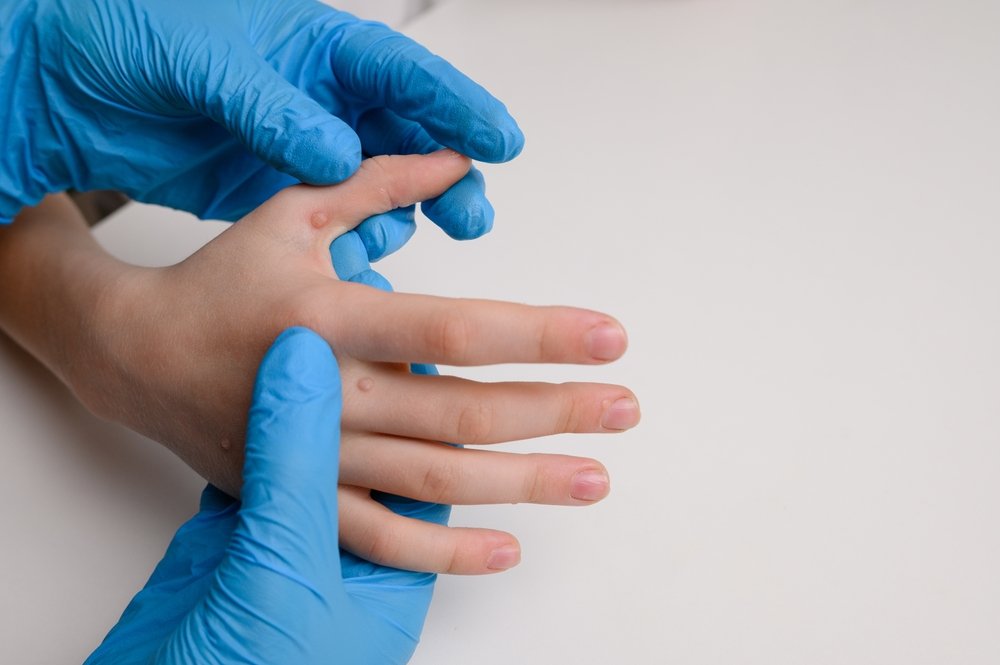
 Warts are one of the most common skin conditions seen in dermatology offices, and one of the most frustrating for patients. Though they’re typically harmless, warts can be painful, contagious, and cosmetically bothersome. Fortunately, dermatologists have a range of safe and effective ways to remove them and prevent recurrence.
At Mt. Lebanon Dermatology Associates, our experienced dermatology team provides precise diagnosis and personalized treatment for all types of warts, helping patients achieve smoother, healthier skin.
📅 If you or your child has a wart that won’t go away, schedule an appointment today. Early treatment can prevent spreading and discomfort, and help you feel more confident in your skin.
What Causes Warts?
Warts are caused by the human papillomavirus (HPV), a common virus that infects the top layer of skin through small cuts or abrasions. Once inside, the virus triggers rapid cell growth, forming a raised bump or rough patch.
You can contract HPV through direct skin-to-skin contact or by touching surfaces that carry the virus, like towels, razors, or locker room floors. While nearly everyone is exposed to HPV at some point, only some people develop warts, depending on their immune response and skin integrity.
Children, teens, and individuals with weakened immune systems are at a higher risk.
Types of Warts
Understanding the type of wart helps guide treatment and prevent recurrence. Here are the most common varieties our providers see:
Common Warts (Verruca Vulgaris)
- Rough, raised bumps with a grainy surface
- Often appear on the hands, fingers, or around nails
- May have tiny black dots (clotted blood vessels)
Plantar Warts
- Found on the soles of the feet
- Can cause pain when walking, often mistaken for calluses
- May grow inward due to pressure
Flat Warts
- Small, smooth, and slightly raised
- Common on the face, legs, or backs of hands
- Often appear in clusters
Filiform Warts
- Long, narrow growths on the face, especially near the mouth, nose, or eyes
- Can grow quickly and become noticeable
Periungual Warts
- Develop around the fingernails or toenails
- Can cause nail deformities or tenderness
Do Warts Go Away on Their Own?
Sometimes, but not always.
While warts may disappear over several months as the immune system clears the virus, many persist for years - and can spread to other areas or to other people in the meantime.
Professional treatment is recommended if a wart is:
- Painful or bleeding
- Spreading or multiplying
- Located on the face, genitals, or near nails
- Resistant to over-the-counter remedies
- Causing embarrassment or discomfort
Professional Treatment Options
At Mt. Lebanon Dermatology, our providers offer a full range of evidence-based treatments to eliminate warts quickly and effectively. The right option depends on your skin type, wart location, and treatment history.
Cryotherapy (Freezing)
One of the most common and effective methods, cryotherapy uses liquid nitrogen to freeze the wart tissue. The wart blisters and falls off as the skin heals. Multiple sessions are often required for complete clearance.
Curettage or Electrosurgery
For larger or resistant warts, your provider may numb the area and surgically remove the wart, sometimes followed by electrosurgery (heat) to destroy remaining viral cells.
Prescription Topical Treatments
Certain topical solutions, such as salicylic acid, imiquimod, or cantharidin, help the body’s immune system recognize and destroy wart tissue. These can be applied in-office or at home under medical supervision.
Laser Therapy
Laser treatments precisely target the wart’s blood supply, effectively cutting off nutrients so the wart dies and falls away. This option is especially useful for stubborn plantar or periungual warts.
Immunotherapy
In cases of recurring warts, immunotherapy helps retrain the immune system to fight off the HPV virus more effectively.
Preventing Future Warts
Once you’ve had a wart, it’s important to protect yourself from recurrence and spread:
- Avoid picking or scratching warts
- Keep hands and feet clean and dry
- Wear sandals in public locker rooms or showers
- Don’t share towels, razors, or nail tools
- Cover warts during athletic activities or swimming
- Moisturize regularly to prevent skin cracks where HPV can enter
Warts may be common, but you don’t have to live with them. Whether it’s a single stubborn growth or multiple recurring lesions, the providers at Mt. Lebanon Dermatology Associates offer personalized, effective wart treatments that safely remove the virus and restore healthy skin.
📅 Schedule your wart evaluation today by calling (412) 563-0217 or requesting an appointment online.
